
Quick Answer
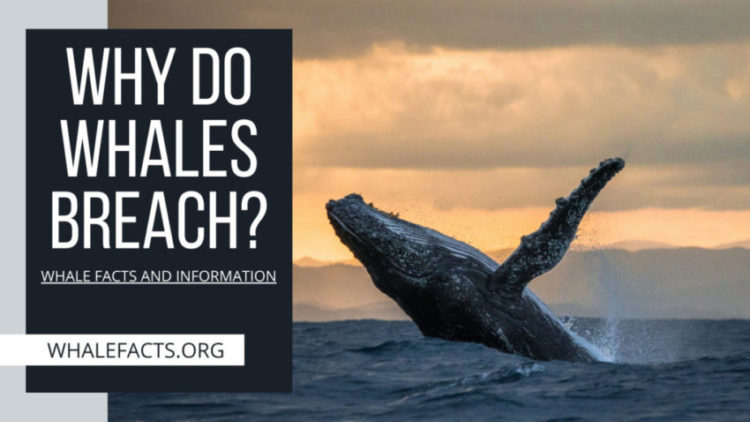
Whales breach by launching their bodies out of the water and crashing back down onto the surface. Scientists believe whales breach for several reasons including communication, removing parasites, play, social interaction, and possibly signaling nearby food or danger to other whales.
Breaching is one of the most dramatic whale behaviors and has been observed in many species including humpback whales, sperm whales, and killer whales.
What Is Whale Breaching?
Breaching occurs when a whale accelerates toward the surface and launches most of its body into the air before falling back into the water.
During a full breach, up to 90% of the whale’s body may clear the water before it lands on its side or back, creating a large splash.
According to the Smithsonian Ocean research program, breaching is observed in multiple whale species and likely serves several biological and social functions.
Key Whale Breaching Facts
| Behavior | Description |
|---|---|
| Breaching | Whale leaps fully out of the water and crashes back down |
| Spy-hopping | Whale lifts its head vertically above the surface to look around |
| Tail slapping | Whale slaps its tail on the surface of the water |
| Pectoral slapping | Whale slaps its flippers on the surface |
1. Breaching May Help Whales Communicate
One widely accepted explanation is that breaching is a form of communication.
The loud splash created when a whale lands can travel long distances underwater, allowing other whales to detect the signal.
This may help whales:
- locate members of their pod
- signal excitement or social interaction
- attract potential mates during mating season
Highly social whales often use physical displays along with sound-based communication. Learn more in our article on how whales communicate.
2. Breaching May Remove Parasites
Another theory is that breaching helps whales remove parasites and loose skin.
When a whale lands forcefully on the water’s surface, the impact may help dislodge parasites such as whale lice or barnacles that attach to their skin.
Researchers studying humpback whales have observed increased breaching in areas where parasite loads appear higher.
3. Breaching May Be a Form of Play
Young whales are often seen breaching repeatedly, which suggests that the behavior may also be a form of play or social interaction.
Play behavior is common in intelligent marine mammals and may help young whales develop strength and coordination.
Whales are highly intelligent marine mammals and frequently engage in behaviors that appear playful or exploratory.
4. Breaching May Signal Food or Hunting Activity
In some cases, breaching may help whales communicate the presence of food.
Social whale species that hunt cooperatively may use breaching or surface displays to alert other pod members that prey has been located.
For example, some whales feed on large schools of fish, and coordinated hunting strategies can improve the chances of success.
5. Breaching May Help Whales Observe Their Surroundings
Breaching may also allow whales to get a better view of their environment.
While breaching provides a brief aerial perspective, whales more commonly use a behavior known as spy-hopping.
Spy-hopping occurs when a whale lifts its head vertically above the water to observe its surroundings.
This behavior may help whales detect prey, nearby vessels, or potential predators.
Do Whales Breach to Breathe?
Whales are mammals and must surface regularly to breathe air.
However, breaching is not necessary for breathing. Most whales simply surface and inhale through their blowhole.
You can learn more in our article on how whales breathe.
In some cases whales may breach after swimming rapidly toward the surface, but this is not required for normal breathing.
Which Whale Species Breach the Most?
Although many whales breach occasionally, some species are especially famous for this behavior.
| Whale Species | Breaching Frequency |
|---|---|
| Humpback whales | Very frequent |
| Killer whales | Common |
| Sperm whales | Occasional |
| Blue whales | Rare |
Humpback whales are particularly well known for breaching behavior and are frequently observed breaching during migration and social interactions.
Breaching vs Other Whale Surface Behaviors
| Behavior | Purpose |
|---|---|
| Breaching | Communication, play, parasite removal |
| Spy-hopping | Looking above the surface |
| Tail slapping | Communication or warning signals |
| Pectoral slapping | Social interaction |
Frequently Asked Questions
Why do whales jump out of the water?
Whales jump out of the water, or breach, for several possible reasons including communication, parasite removal, social behavior, and play.
Do whales breach to breathe?
No. Whales normally surface quietly to breathe through their blowhole. Breaching is not required for breathing.
Which whale breaches the most?
Humpback whales are known for breaching more frequently than most other whale species.
How high can whales jump?
Some whales can propel their entire body out of the water, launching themselves several feet above the surface.